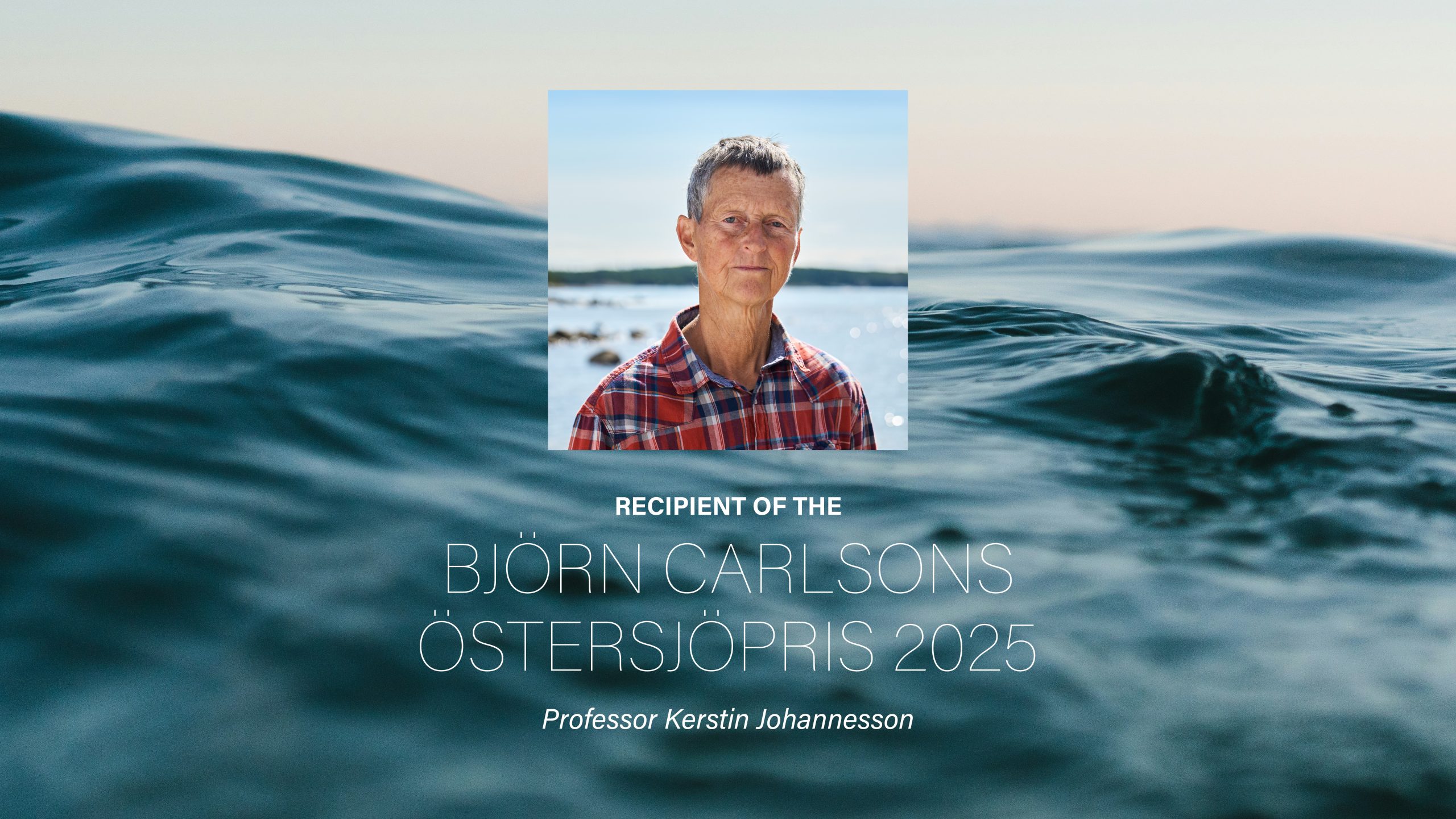
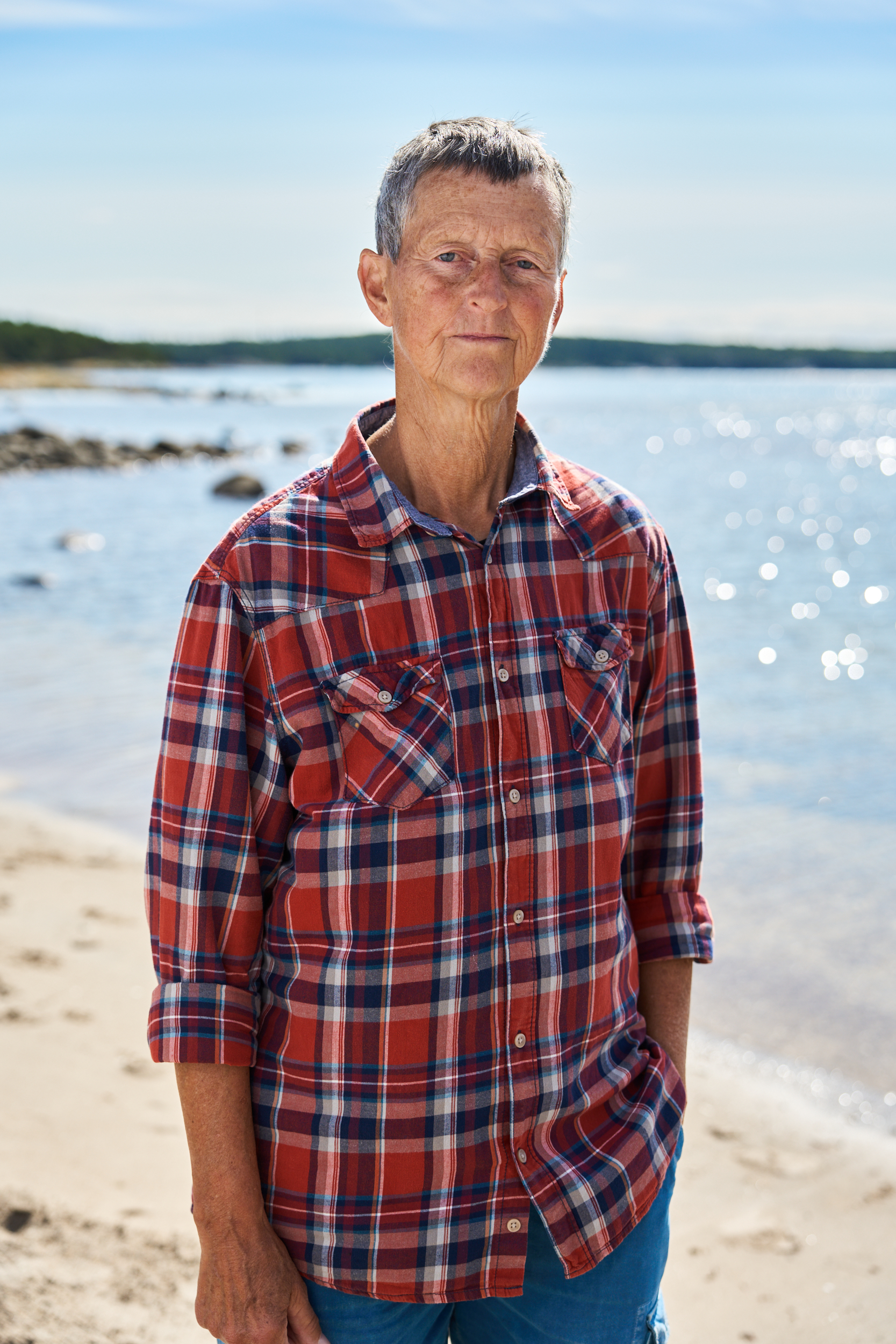
Professor Johannesson is an internationally recognized expert in marine ecology and evolutionary biology. Her research focuses on how species adapt to local environments and how this shapes biodiversity. She has demonstrated that marine populations in the Baltic Sea are often genetically distinct from those in nearby waters, a discovery that has reshaped conservation strategies.
Professor Johannesson combines advanced molecular techniques with deep ecological knowledge of how species adapt and evolve in changing environments. Her research has shown that genetic diversity decreases the further into the Baltic Sea one moves, and that sharp genetic boundaries emerge in transition zones such as the Kattegat–Öresund area, where environmental conditions shift rapidly. She has also demonstrated that many marine species in the Baltic consist of unique, locally adapted populations.
These findings paint a picture of the Baltic Sea as a natural “Darwinian laboratory” where species evolve rapidly to cope with shifting and often harsh conditions – and highlight the importance of considering genetic differences in conservation and management of marine species.
Detailed justification for the nomination:
- She has shown that blue mussels in the Baltic are genetically closer to populations in Alaska than to those in the North Sea.
- Her team discovered that the brown seaweed Fucus vesiculosus reproduces clonally in the Baltic, leading to the identification of a new species, Fucus radicans.
- She has led several large international research programs, including CeMEB (Centre for Marine Evolutionary Biology), which has established Gothenburg as a global hub for evolutionary marine science.
Her scientific production includes more than 150 peer-reviewed papers, cited over 12,000 times. Many of these findings have become key references for both researchers and policymakers working on marine conservation.
Beyond research, Johannesson has been a tireless science communicator and policy advisor, bridging academia and society. She has influenced national marine policy in Sweden and actively engaged with public debate, advocating for sustainable fisheries and the protection of genetic diversity.
An important area for further research:
Climate change poses a critical new challenge for Baltic Sea biodiversity. Johannesson has emphasized that locally adapted populations—often hidden within what we think of as “common species”—are especially vulnerable to rapid warming. Safeguarding this genetic diversity is essential for maintaining ecosystem resilience. Her vision is to integrate evolutionary perspectives into Baltic Sea management, ensuring that conservation strategies protect not only species but also the adaptive potential within them.
Contact details:
Professor Kerstin Johannesson
Professor of Marine Ecology, University of Gothenburg, Sweden
📍 Visiting address: Tjärnö Marine Laboratory, Strömstad
📮 Postal address: Tjärnö Marine Laboratory, 45296 Strömstad
📞 Phone: +46 (0)31-786 96 11 / +46 (0)766-22 96 11
✉️ Email: kerstin.johannesson@gu.se